

MSP vs. VMS: You're Probably Using These Terms Wrong (Everyone Does)
"MSP" and "VMS" get used all the time interchangeably, but they're not the same thing, and confusing them can lead you to buy the wrong solution. A VMS is software: the system of record for timesheets, compliance, and invoicing. An MSP is a service: the team running your labor program. Here's how to tell which one you need or whether you need both.

Building Smarter: Why the Future of Construction Hiring Is Flexible, and Why That’s a Good Thing
The skilled trades gap isn't going away on its own — and specialty contractors who are waiting on traditional hiring to solve it are falling behind. With more than 501,000 open construction jobs and 41 percent of the craft workforce set to retire by 2031, the math simply doesn't work in favor of the old model. The contractors who are figuring it out aren't hiring harder. They're building smarter workforce strategies — ones built around flexible, contingent labor as a foundation, not a fallback. In a project-based industry where workloads surge, shift, and wind down, a managed contingent workforce isn't a compromise. It's the right answer.
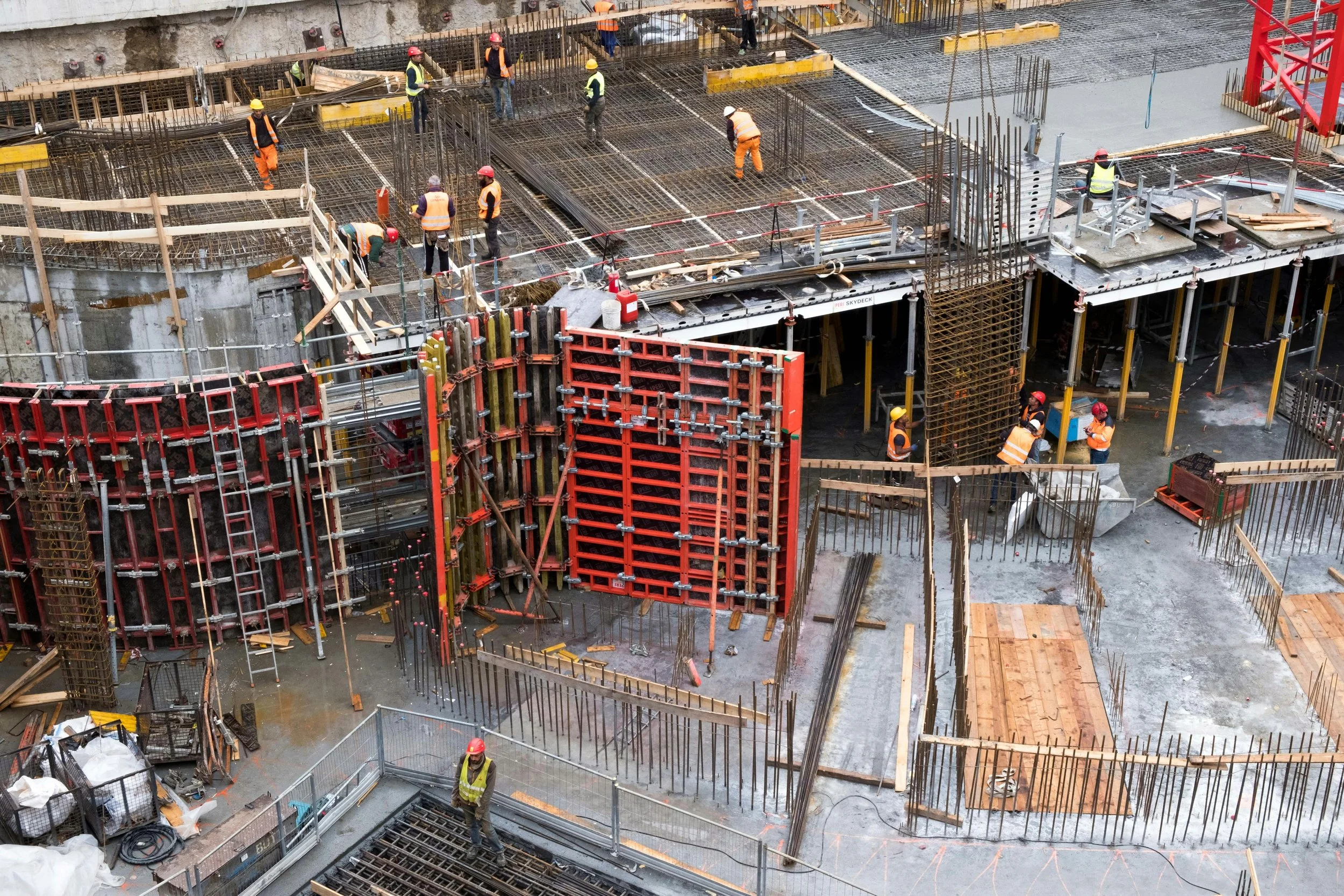
Workforce Fluidity in Construction: How MSP and Vendor Management Are Shaping the Future of Work
Today, the industry is finally upgrading its navigation system. Workforce fluidity is transforming how labor is managed—shifting from rigid, one-dimensional planning to real-time, data-driven coordination. Powered by Managed Service Providers (MSPs) and modern vendor management strategies, contractors can now scale teams with precision, maintain compliance with confidence, and adapt instantly to shifting project demands. In an industry defined by labor shortages, growing complexity, and constant pressure to deliver faster, this shift isn’t just an improvement—it’s a competitive advantage.